
Money feels tight for millions of Americans right now, even for people who budget, avoid debt, and earn a steady income. If you’ve ever opened your banking app and felt confused about where your money went, you are not alone. This isn’t about being irresponsible or bad with money. It’s about how modern cash flow actually works and why traditional advice often misses the real problem.
This article breaks down why money feels tight, what’s really happening behind the scenes, and how to fix it without extreme budgeting, guilt, or financial burnout.
Why Money Feels Tight for So Many Americans
For most households, the issue isn’t spending too much overall. It’s timing, predictability, and pressure. Bills don’t wait for convenience, and income rarely arrives exactly when expenses hit. When money feels tight, it’s often because cash flow is mismatched, not because income is too low.
Housing, utilities, insurance, groceries, subscriptions, and unexpected costs now overlap in ways that leave very little breathing room. Even small surprises can cause stress because there’s no buffer between paydays.
The Hidden Problem: Cash Flow, Not Income
Many people focus on how much they earn, but cash flow matters more than total income. You can earn a decent salary and still feel broke if money leaves your account faster than it arrives. When money feels tight, it’s often because bills stack up early in the month while income comes later.
This creates constant low-level anxiety. You may technically have enough money, but it never feels available when you need it.
Why Budgeting Alone Doesn’t Fix the Feeling
Traditional budgets focus on categories and limits. While budgeting is useful, it doesn’t solve timing issues. You can stay within every category and still feel stressed if your checking account balance stays low.
That’s why people say money feels tight even when they “did everything right.” The system doesn’t account for real-life cash movement.
The Psychological Cost of Tight Money
When money feels tight, your brain stays in survival mode. You hesitate before spending, overthink small purchases, and constantly check balances. This stress affects decision-making and leads to exhaustion.
According to the Consumer Financial Protection Bureau, financial stress directly impacts mental health and long-term financial outcomes. Chronic money stress isn’t just uncomfortable—it’s harmful.
Why Checking Account Balance Matters More Than You Think
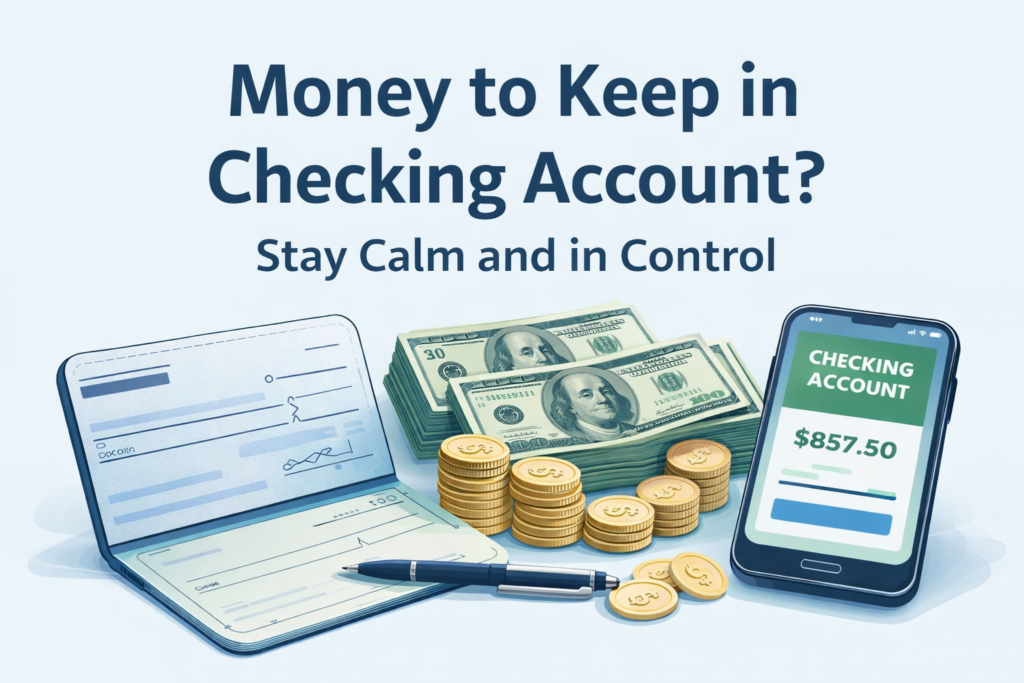
Your checking account is where stress shows up first. Savings might exist elsewhere, but daily decisions depend on what’s immediately available. If your checking account stays low, money feels tight no matter how much you technically own.
This is why building a small buffer in checking changes everything. It creates emotional and financial space.
The Weekly Habit That Changes How Money Feels
One of the most effective ways to reduce money stress is a simple weekly review. Not tracking every expense, but checking reality once a week.
We explain this in detail in our guide: One Weekly Money Check. This habit helps you see what’s coming, what’s safe to spend, and what needs attention.
When you review money weekly, money feels tight less often because nothing sneaks up on you.
Why Emergency Funds Aren’t the Whole Answer
Emergency funds are important, but they don’t help day-to-day stress. Many people have savings but still feel broke between paychecks. That’s because emergency funds are psychological “do not touch” money.
What actually reduces stress is accessible buffer money in checking, not hidden savings.
What Actually Creates Financial Breathing Room
Breathing room comes from predictability, not restriction. When you know what’s coming and have space between bills and income, money stops feeling tight.
Adding even $300–$500 as a checking buffer can dramatically reduce stress. This isn’t about wealth. It’s about stability.
Why Small Adjustments Work Better Than Big Changes
Trying to overhaul your entire financial life often fails. Small adjustments, made consistently, work better. Adding $25–$50 per paycheck to a buffer builds security without pain.
When money feels tight, the solution isn’t drastic cuts. It’s gradual stabilization.
Common Mistakes That Keep Money Feeling Tight
- Tracking expenses daily instead of reviewing weekly
- Keeping checking balances too low
- Using savings as a backup instead of a buffer
- Ignoring bill timing
- Assuming stress means failure
Why This Is Especially Hard Right Now
Inflation, variable pricing, and subscription creep have made expenses unpredictable. According to NerdWallet, average household costs fluctuate more than ever.
This unpredictability is why money feels tight even for disciplined households.
How a Simple System Changes Everything
Money systems should reduce stress, not increase it. That’s why we focus on simple habits instead of complex rules. A weekly check, a checking buffer, and clear awareness beat spreadsheets every time.
If you want a step-by-step version of this system, our low-cost guide walks you through it calmly and clearly. You can find it here: Simple Weekly Money System.
What Happens When Money Stops Feeling Tight
When money feels tight less often, decisions improve. You spend intentionally, save naturally, and stop second-guessing yourself. Financial confidence grows quietly.
This isn’t about becoming rich. It’s about feeling safe.
Final Thoughts
If money feels tight, it doesn’t mean you’re failing. It means your system doesn’t match real life yet. Fixing cash flow, not punishing spending, is the key.
Clarity creates calm. Calm creates better money decisions. And better decisions slowly change everything.
Frequently Asked Questions
Why does money feel tight even when I earn regularly?
Money often feels tight because of timing, not income. Bills don’t line up with paychecks, balances drop unexpectedly, and there’s no buffer. Without a small cushion in your checking account, every expense feels urgent, even if your income is stable.
How much money should I keep in my checking account?
A good starting point is one month of essential bills plus a small buffer of $300–$500. This helps prevent overdrafts, reduces stress, and gives you room to breathe between paychecks.
This idea is part of a broader system explained in a weekly money check that finally makes money feel manageable , which shows how a simple weekly habit can reduce money stress without budgeting overload.
Is it bad to keep too much money in checking?
Keeping excessive cash in checking isn’t ideal long term because it earns little to no interest. However, having enough to cover bills and a buffer is important. Extra savings can be moved to a high-yield savings account.
How does a weekly money check help when money feels tight?
A weekly money check helps you see what’s coming before it becomes a problem. It reduces surprises, helps you plan spending, and builds confidence around your money decisions.
Can money feel tight even with a budget?
Yes. Many people have budgets but still feel stressed because they don’t check in often or adjust for real-life spending. A simple weekly review works better than rigid monthly budgeting.
What’s the fastest way to stop feeling stressed about money?
The fastest relief usually comes from clarity. Knowing your balance, upcoming bills, and next paycheck—even briefly each week—reduces anxiety more than complex budgeting tools.
Does paycheck timing affect why money feels tight?
Absolutely. When bills hit before income arrives, money feels tight even if you earn enough overall. Aligning bill due dates or building a buffer helps solve this issue.
Who is this advice best for?
This approach is best for everyday Americans living paycheck to paycheck, freelancers with irregular income, and anyone who wants calmer, more predictable cash flow without complex systems.



Pingback: 7 Hard Truths About Living Between Paychecks Most Budgets Ignore
Pingback: Bills Before Payday: 7 Reasons They Create Anxiety Even When Income Is Enough
Pingback: Knowing Your Money Each Week: 7 Emotional Differences That Matter
Pingback: 7 Reasons Skipping a Weekly Money Check Makes Money Scarier
Pingback: 1 Weekly Money Check That Stops Financial Stress